
What is senior living in 2026? This guide covers the full landscape: the types of communities available, the benefits, the trade-offs, and the factors that should be weighed carefully. Whether you’re in the market for a community now or simply curious about what is senior living, here’s what you need to know.
1. What Is Senior Living?
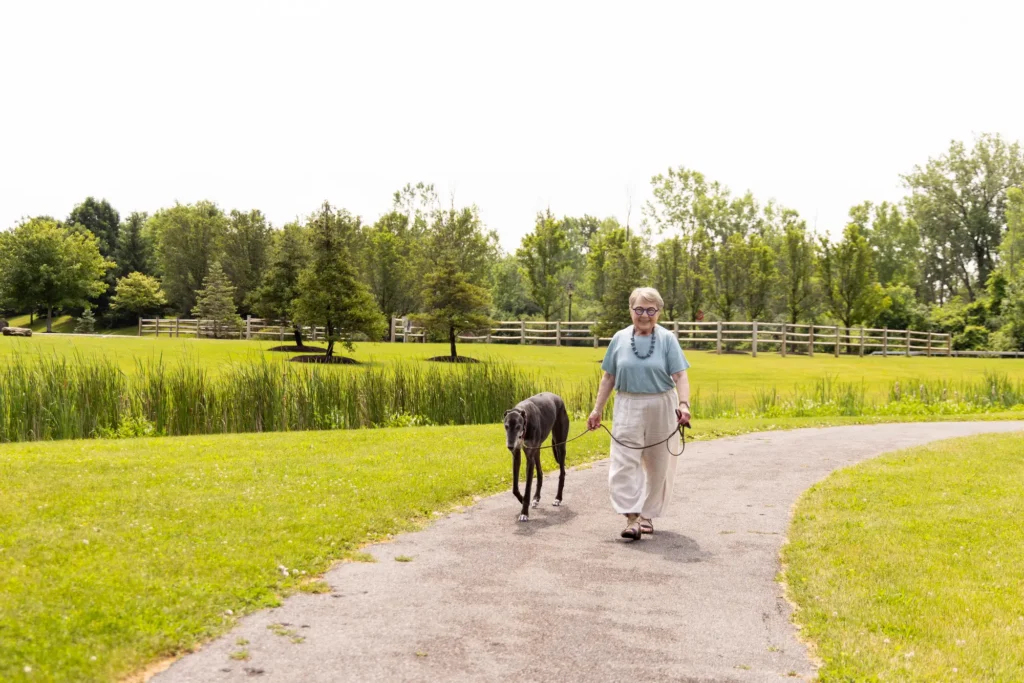
At its core, senior living is an umbrella term for housing and care models designed specifically for the needs of older adults — but it isn’t just about a roof over your head, three squares, and basic personal care anymore. Today’s definition also includes a philosophy that prioritizes comfort, autonomy, and social connection. To answer “what is senior living” in 2026 requires recognizing it as a proactive lifestyle choice.
-
Focus on Wellness: Modern senior living communities emphasize holistic health, including physical fitness, mental stimulation, and emotional support.
-
Independence: Programs are designed to help you stay independent longer by removing the daily stressors of home ownership.
-
Connection: These environments naturally foster social circles, reducing the isolation that often comes with living in a traditional neighborhood as one ages.
-
Independent living for older adults: This specific model offers private residences with access to communal dining and activities.
2. The Main Types of Senior Living Explained
-
Independent Living: Best for those who want a social, low-maintenance lifestyle with community-focused perks.
-
Assisted Living: Provides a middle ground for those who value independence but need a hand with daily activities like medication management or dressing.
-
Memory Care and Skilled Nursing: Specialized, 24/7 care environments for those with cognitive challenges or complex medical requirements.
-
Lifestyle-Focused Senior Housing: Many communities now offer “active adult” setups that feel more like a resort than a traditional retirement home.
- Life Care/CCRCs: Communities that offer multiple levels of care on one campus, allowing residents to transition between them as needs change without relocating.
3. Tangible Benefits of Senior Living
-
Maintenance-Free Living: You trade your tool box for a calendar full of events and interests.
-
Wellness Programs: Access to on-site gyms, trainers, and nutritionists is standard in high-quality communities.
-
Community Amenities for Older Adults: From art studios to woodshops and libraries, the infrastructure for your hobbies is already built in.
-
Security: Most communities offer 24-hour security and emergency response systems, providing a safety net that a traditional home lacks.
4. Senior Living Supports Independence — Not the Opposite
One of the most persistent misconceptions about senior living is that it means giving up independence. In most cases, the reverse is true. When daily logistics are handled — the cooking, the cleaning, the home repairs — what you get back is time and energy to spend on what you actually want to do.
- Support services for older adults are designed to assist, not take over.
- Residents in independent and assisted living maintain their own schedules, social lives, and decision-making.
- Active adult communities and lifestyle-focused housing are built around engagement, not limitation.
- Access to on-site health resources often means smaller issues get addressed before they become bigger ones.
5. Realities of Aging at Home
Aging in place at home has real advantages — familiarity, proximity to your neighborhood, complete autonomy. But it also comes with real costs and risks that aren’t always front of mind.
- Home maintenance, taxes, and unexpected repairs don’t go away.
- Social isolation is a documented concern for older adults, especially for those who live alone.
- Access to care can become complicated quickly if health needs change.
- At a Life Care Community like Canterbury Woods Williamsville, aging in place and senior living go hand in hand — residents live independently in their own residences while having care options available on the same campus if and when needed.
- The distinction isn’t “independence vs. care” — it’s about which environment best supports the life you want to live.
6. Common Misconceptions About Senior Living
Outdated assumptions still drive a lot of hesitation. A few myths to set straight:
- “I’ll lose my independence.” Independent living for older adults is structured around autonomy, not supervision.
- “It’s too expensive.” When you factor in home costs, maintenance, and care expenses, senior living communities are often comparable; many also offer financial tools to help evaluate true cost.
- “There’s nothing to do.” Modern retirement living alternatives include performing arts, fitness programs, dining options, and active calendars.
- “It’s only for ‘old’ people who need a lot of care.” Most residents in independent living are healthy, active, and there by choice.

7. Factors to Consider When Comparing Senior Living Communities
- Location: Proximity to family, medical providers, and places you frequent.
- Care continuum: Does the community offer multiple levels of care, or will you need to relocate if your needs change?
- Financial structure: Monthly fee, entrance fee, life care contract — understand what you’re paying and what it covers.
- Culture and daily life: Tour on a weekday, eat a meal, talk to residents; the intangibles matter.
- Community amenities for older adults: When touring, look at what’s actually available and used by residents.
Making a Well-Informed Decision
Senior living is a lifestyle choice with real implications — for your daily comfort, your social life, your access to care, and your long-term security. The more clearly you understand what’s available and what matters to you, the better positioned you are to make a decision you’re confident in.
So, what is senior living all about for you? Explore the welcoming, lifestyle-focused options at Canterbury Woods and join the waitlist today to secure your place in a vibrant community designed for comfort, connection, and peace of mind.